
What Makes a US IT Staffing Partnership Work
US IT staffing is often treated as a volume problem: more resumes, faster submissions, more interviews. In practice, the constraint is usually clarity. If the role, seniority, work model, and success criteria are vague, no amount of sourcing will produce a reliable shortlist.
A useful staffing partnership starts with intake that hiring managers can finish quickly but completely. That includes the problem the person will work on, the systems they will touch, the people they will collaborate with, and the difference between a must-have skill and a nice-to-have skill. Those details change who should be sourced.

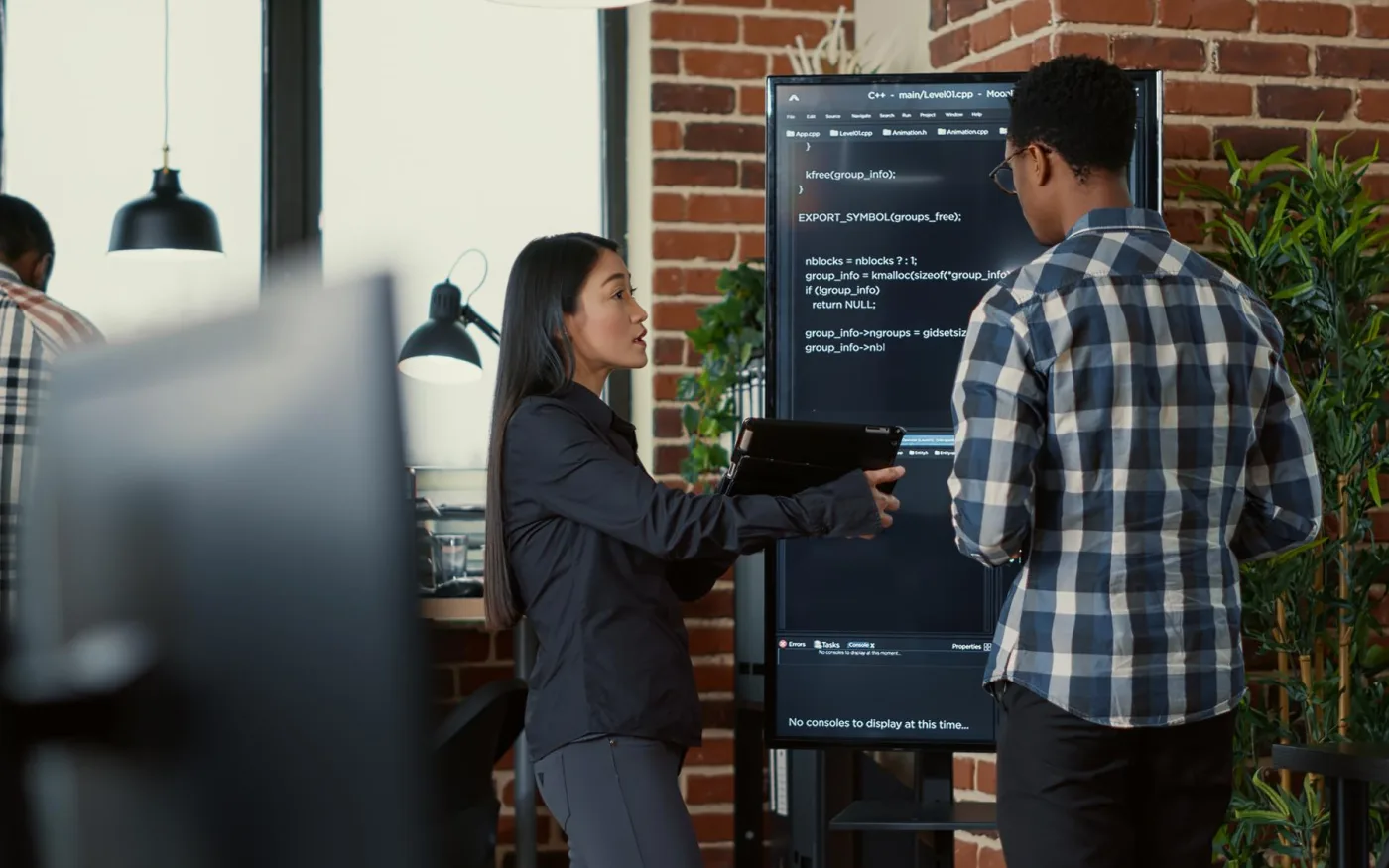

Screening should then be compared against that intake, not against a generic title. Two Java developers can be a poor match for each other if one has spent years in a regulated enterprise and the other has worked only in early-stage product teams. The recruiting partner needs enough technical context to see that difference.
Interview coordination is the third part of the partnership. Hiring teams lose good candidates when feedback is slow or interviews are repeated without a plan. A simple scorecard, a named decision owner, and a realistic calendar do more for close rates than another round of resume collection.
FUTUREAXIS treats staffing as a delivery problem as much as a recruiting problem. The goal is not activity. The goal is a person who can contribute in the environment that actually exists.